
My Friends Bought It for Me. I Wouldn't Have.
Two years without a moisturizer, and my face was fine. Then three days without anything showed me what it had quietly been doing.

RayCo-Founder & Editor
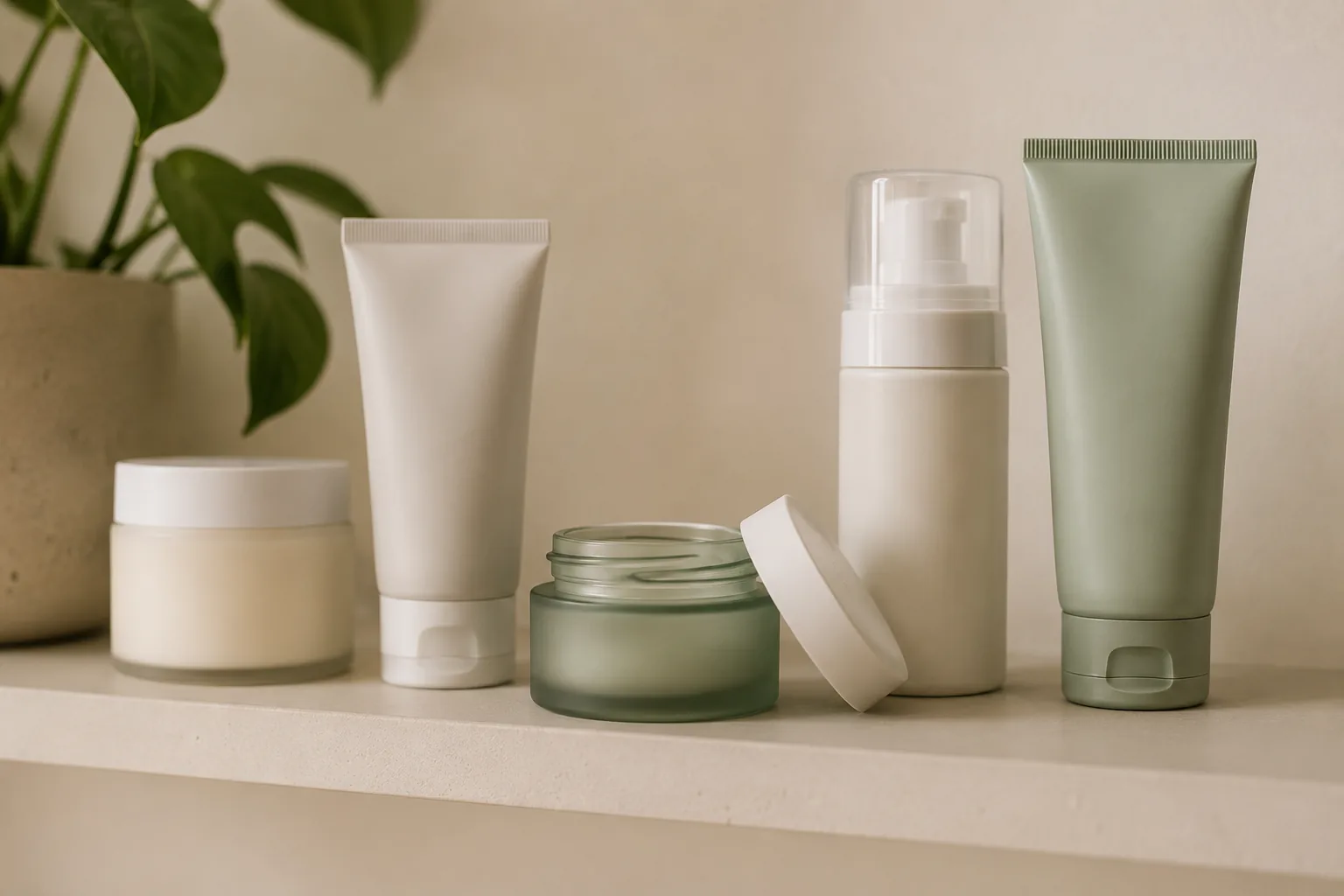
The short version: Yes, but it is the least urgent of the three, and it is cheap enough that the question barely matters. I went about two years doing skincare without one and my face seemed fine — right up until the conditions changed. I only started because friends gave me theirs. I would not have bought it myself, and I was wrong about that.
Do you actually need one?
Probably, yes. But I want to give you the honest version rather than the confident one.
I did a skincare routine for roughly two years — 2023 to 2025 — without a moisturizer in it. I cleansed. I used sunscreen. I skipped the middle step entirely, because it looked like the one that had been added to make a two-product routine into a three-product routine.
My face was fine. Not secretly deteriorating, not quietly suffering. Fine.
So when someone tells you that you'll regret skipping it, be a little suspicious, because I skipped it for two years and I have nothing dramatic to report.
What I'd say instead is that "fine" turned out to be conditional. I live somewhere hot and humid, where the air does a lot of the work for you. Skipping moisturizer there is a much smaller bet than skipping it somewhere cold and dry. I wasn't getting away with it because I'd found a shortcut. I was getting away with it because of where I happened to be standing.
What does it actually do?
Less than the packaging suggests, and it's simpler than the packaging suggests too.
It helps your skin hold onto water. That's the whole thing. Your skin loses water to the air constantly, faster when the air is dry, and a moisturizer slows that down.
It is not feeding your skin. It is not repairing anything. It is a lid.
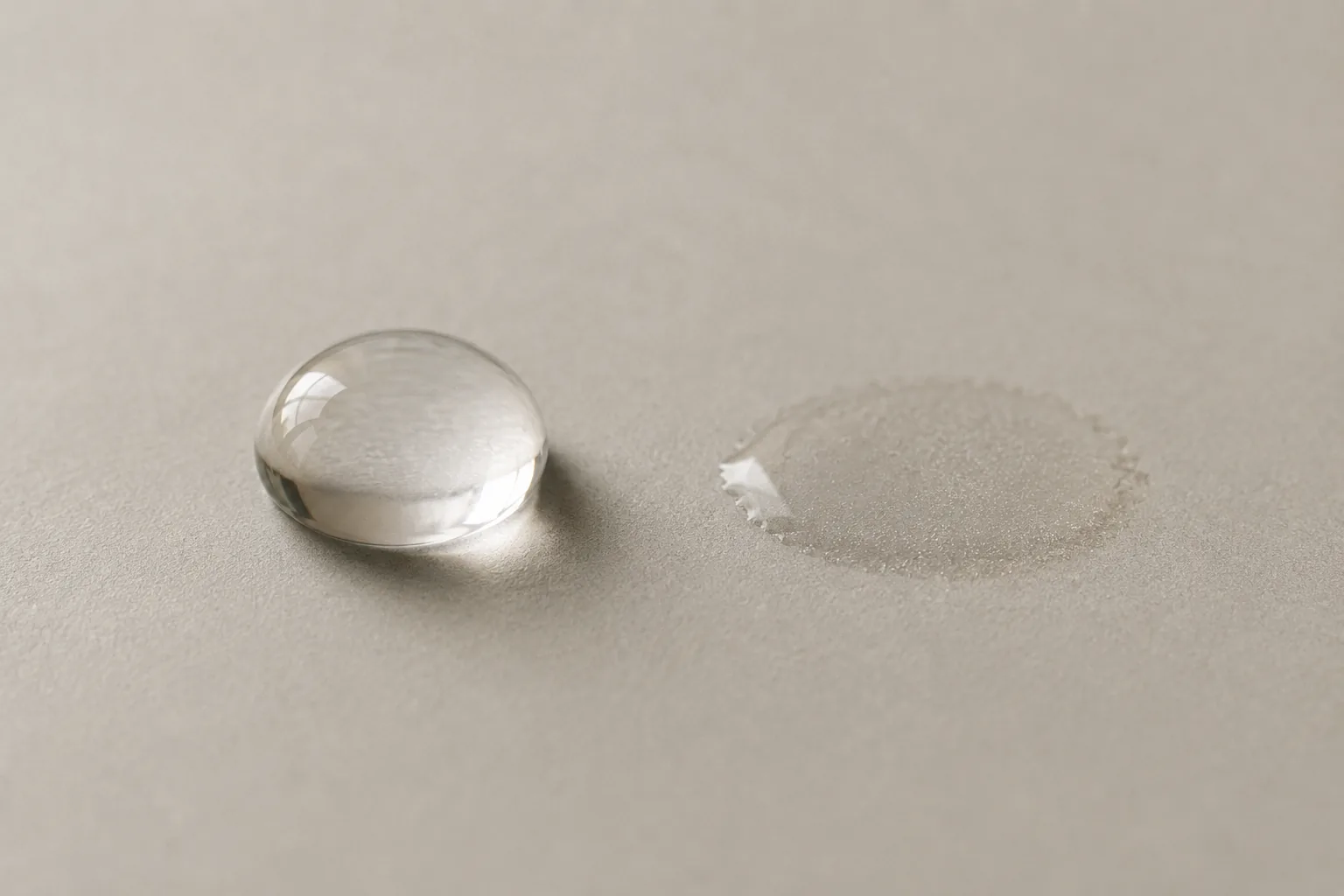
The way I think about it — and this is my framing rather than anything official — is that it holds in whatever you've already put on. Cleanser strips a little. Whatever you use after that goes on damp skin. The moisturizer is what stops all of it evaporating off your face in twenty minutes.
That's an unglamorous job. It's also why an expensive one struggles to be meaningfully better than a cheap one, which we'll get to.
So what happens if you skip it?
For two years, in my case: nothing I could see.
Then something happened that told me more than the two years had. I had a minor procedure that meant I couldn't wash my forehead or put anything on it for three days. No cleanser, no moisturizer, no sunscreen. Just left alone.
By day three it was dry and starting to flake. Not irritated, not painful — dry, in a way the rest of my face wasn't, because the rest of my face was still getting its usual routine.
I want to be careful about how much weight that carries. It is not a clean experiment. I wasn't washing either, the skin was recovering from something, and it was one patch on one face over three days. You could not publish that.
But it is the closest thing I have to a before-and-after, and what it showed me is that "my skin is fine without it" was a statement about my circumstances, not about my skin. Change the circumstances — colder air, drier air, or a face that's been through something — and the margin disappears fast.
If you want the seasonal version of that, I wrote about what happened when the air got dry. Same lesson, slower.
Isn't this just a third bottle to sell you?
It's a fair suspicion and I held it for two years. Here's what changed my mind, and it wasn't an argument.
Friends started giving me theirs. Bottles they'd bought and didn't get on with, spares, gifts. I didn't go out and buy a moisturizer — one simply arrived, and then another, and it worked its way into the routine because it was already sitting there.
That's an embarrassing reason to change a habit. It's also the true one, and I'd rather tell you that than invent a moment of insight I didn't have.
What I'd say now is that the upsell suspicion is aimed at the wrong target. The industry absolutely wants to sell you a third bottle — and a fourth, and an essence, and something for your eyes. Moisturizer just isn't where that pressure actually is. It's the cheapest step, the least differentiated, and the one where the drugstore version does most of what the expensive version does.
Be suspicious. Point it at the tenth product, not the second.
Does an expensive one work better?
I've used expensive ones. I stopped.
Not because they were bad — they were pleasant, and some of them felt lovely going on. But I couldn't point at anything they were doing that a cheap one wasn't, and once you've noticed that, the price stops being justifiable.
I use Torriden's DIVE IN soothing cream now. It costs me about eight dollars where I live. In the US it's about twenty-two dollars direct from the brand, listed at twenty-seven. Wherever you are, treat my price as the floor rather than the target — the reason it's cheaper for me is geography, not cleverness.
The gap between a twenty-dollar moisturizer and an eighty-dollar one is mostly texture, scent and packaging. Those are real things — you're more likely to use something you enjoy putting on, and that matters more than most people admit. But you're buying a nicer experience of the same job, not a better result.
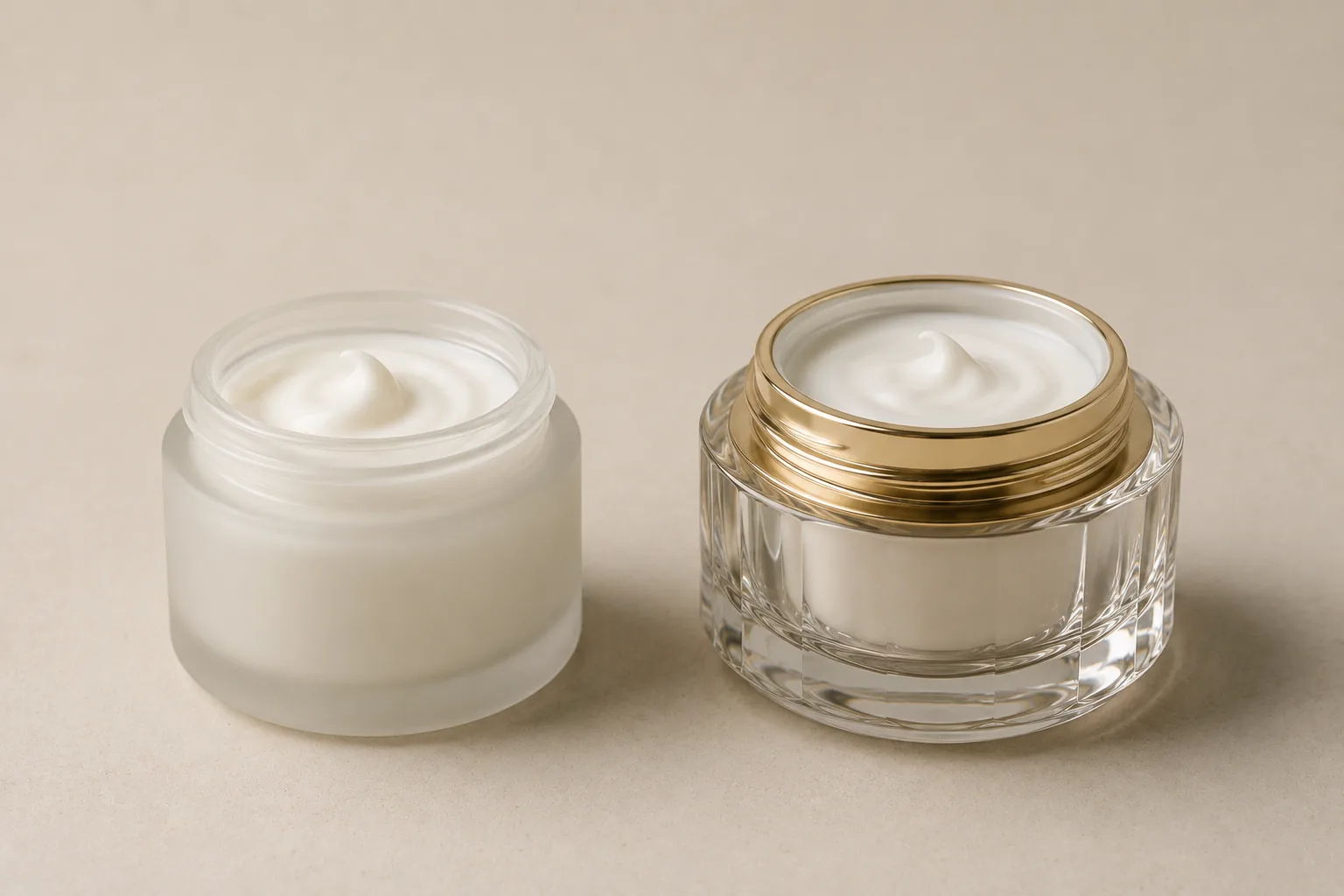
If a cheap one feels unpleasant enough that you skip it, buy the nicer one. That's a legitimate reason. "It must work better because it costs more" is not.
Doesn't sunscreen already do this?
This is the question I hear most and the one I was quietly hoping was true, because it would have saved me a step.
The short answer is that I don't rely on it. In the morning I use both — moisturizer, then sunscreen over it. At night, moisturizer alone, because there's nothing to protect against.
Plenty of sunscreens are genuinely hydrating, and if you're using one of those and your skin feels comfortable all day, you may not need a separate moisturizer in the morning. I'm not going to pretend that's a mistake.
But two things push me the other way. Sunscreen only covers the morning, so skipping moisturizer means the entire night has nothing. And the amount of sunscreen that actually protects you is more than most people apply — so if you're relying on it for two jobs, you're likely underdoing both.
Two steps, thirty seconds. I stopped trying to optimize it.
When can you actually skip it?
There are honest answers here and I don't want to oversell the step I spent two years ignoring.
If your skin is comfortable, not tight, not flaking, and you live somewhere humid — you can skip it and you'll probably be fine, the way I was fine. Just know what you're relying on.
If your face is oily and that's why you're skipping it, that's the one case where the logic is backwards, and it has its own article. Short version: stripping your face makes it produce more, not less.
If you're skipping it because you're not sure it's doing anything — that's the two-year version of me, and I'd gently point out that a lid is hard to notice until the weather changes.
What I'd actually tell you to do
- Get a cheap one and stop researching. This is the least consequential product decision in your routine. The one your friend likes is fine.
- Morning and night, after cleansing. Sunscreen goes on top in the morning. That's the whole sequence — the three products are here if you want the full routine.
- Judge it by comfort, not by glow. If your face doesn't feel tight a few minutes after washing, it's working. There is nothing more to look for.
- Don't pay for texture you won't notice. Unless the cheap one is unpleasant enough that you'd skip it — then the nicer one is genuinely worth it.
- Expect the need to change with the weather and with where you are. What's optional in a humid summer isn't optional in a dry winter.
- If you're already skipping it and your skin is comfortable, don't panic. Just don't assume it'll hold when conditions change. Mine didn't.
I skipped this step for two years and lost nothing. Then three days without anything told me what it had actually been doing, and I hadn't noticed because it had never been tested.
That's the argument, such as it is. It's a lid. Buy the cheap one.
Filed under
One note on transparency: no brand mentioned on this site is sponsoring us, and we don’t use affiliate links. Everything we recommend is something we’ve personally used. Nothing here is medical advice. If any of that changes, you’ll hear it from us first.
Don't miss the next one
New articles straight to your inbox. No spam, no fluff — just what actually works.
Free. Unsubscribe anytime.